|
| The form fitting modern sarong kebaya. |
UP TO 11,000 VIEWS, 20 COMMENTS
I was lucky enough to have parents who thrived on English, Mandarin, Indonesian, Dutch pop songs and folk music. As a teen I enjoyed the songs they played on the radio and gramophone records. Some of them are still popular today and it's going back to the 50s with a You Tube video above that features Gus Steyn and his RTM Orchestra.
One of the finest band leaders Steyn was well-known in this part of the world. The melody is an up-tempo piece and interpreted vividly with strings, brass and all. Personally it's the best version I've heard for a long time. Delightful indeed to have rynamyra loading it. Thank you. (Videos will be deleted when the next posting appears).
Ger van Leeuwen - Nona-Nona Zaman Sekarang (Yusoff B) Thanks to ud. 000
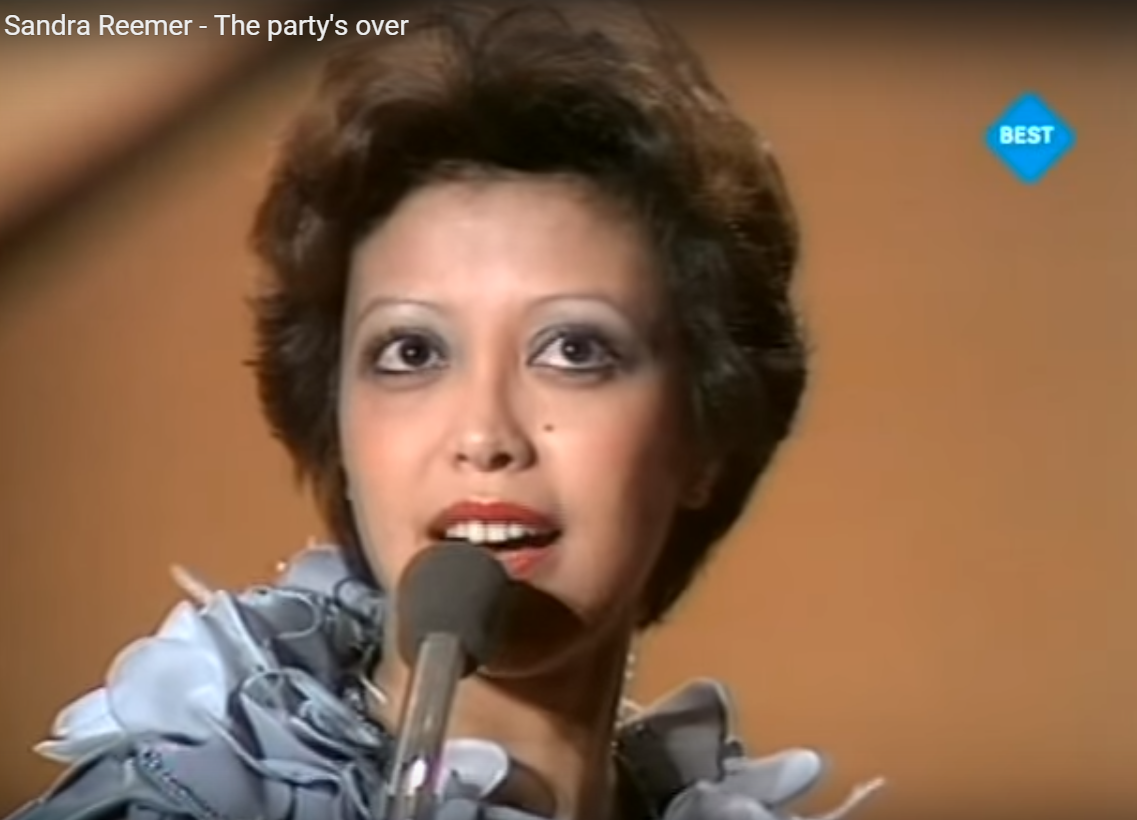
There's another version below by Sandra Reemer, recorded probably in the 60's when folk songs had revivals and became popular again with new rendition of Kopi Susu, Nina Bobo and Bengawan Solo by pretty singers like Anneke Gronloh and Reemer.
These hits topped the music charts in our region and possibly in Europe too as many people of Dutch origin in RRI (Republic Ra'ayat Indonesia) migrated to Holland and the West during the Soekarno regime in the 60s.
 But this song is different. Nona Zaman Sekarang or Modern Day Women was composed by our own Singaporean Yusoff B. in the late 1940s. Some of his other songs include: Semarak Hati, Suka Sama Suka and Wanita dan Teruna.
He was one of superstar P. Ramlee's music mentor when he first joined Malay Film Productions. Ramlee's early songwriting was influenced by Yusuf B's music arrangement and style. Ironically, Yusuff B would borrow ideas from the late Ramlee when composing his own songs.
Singers who performed it initially was A. Rahman, R. Azmi, Julia and a host of Indonesian and Malay singers. Sandra, a Dutch singer of Indonesian origin, took the opportunity and made it a big hit. Apparently her version is still the most popular.
Ms Reemer (below in later years) had passed away in 2017. A beautiful and talented young lady; she will be missed by all her fans, all over the world. RIP Sandra Reemer.
 The word Nona means a young lady, like Miss in English. The song is about how bold young ladies are compared to those who lived in earlier times - no one can interfere nor prohibit their dress code. These ladies with their short, transparent clothes and painted red cheeks have triggered much controversy and have either confused the male species with their attitude or aroused their sensuality, possibly the latter.
Article by Andy Young.
Lyrics by Yusof B.
Nona-nona jaman sekarang
tak boleh ditegur,
tak boleh dilarang
bajunya pendek,
bertambahlah jarang
itu menjadi hati gembira
First Verse:
nona jangan bikin keliru
tidakla kenal cina melayu
pipinya merah pula disapu
sekarang sudah jadi tak tentu .
Second Verse:
dalam dunia banyak musuhan
yang non dibuat perkara yang sopan
dalam dunia banyak penggoda
banyak yang jadi rusak binasa
Nona Nona Zaman Sekarang by The Stylers. Randy Lee Keng played rhythm guitar and is still active today. He is on Facebook under the same name. Check him out.
Literal Translation
By: Andy Young.
About the ladies of today's generation:
Don't comment
Nor forbid them.
Their blouses are short
And more transparent
That make hearts flutter
(Make hearts happy).
First Verse:
Ladies don't confuse us
Unrecognizable if Chinese or Malay
Cheeks are red and painted too
Causing much bewilderment.
Second Verse:
In this world of aggression
Ladies, be more careful
Or be teased, bothered
And fall into disrepute.
Written more than half a century ago, the lyrics painted an Asian society so different from today with strict moral values that many listeners, especially women, would question now.
A kebaya is a traditional blouse-dress combination worn by women in Indonesia, Malaysia, Brunei, Burma, Singapore, southern Thailand and some parts of Cambodia. It is sometimes made from sheer material and usually worn with a sarong or batik kain panjang, or other traditional woven garment such as ikat, songket with a colorful motif.
Images from flickr.com
Videos from You Tube.
I was lucky enough to have parents who thrived on English, Mandarin, Indonesian, Dutch pop songs and folk music. As a teen I enjoyed the songs they played on the radio and gramophone records. Some of them are still popular today and it's going back to the 50s with a You Tube video above that features Gus Steyn and his RTM Orchestra.
One of the finest band leaders Steyn was well-known in this part of the world. The melody is an up-tempo piece and interpreted vividly with strings, brass and all. Personally it's the best version I've heard for a long time. Delightful indeed to have rynamyra loading it. Thank you. (Videos will be deleted when the next posting appears).
There's another version below by Sandra Reemer, recorded probably in the 60's when folk songs had revivals and became popular again with new rendition of Kopi Susu, Nina Bobo and Bengawan Solo by pretty singers like Anneke Gronloh and Reemer.
These hits topped the music charts in our region and possibly in Europe too as many people of Dutch origin in RRI (Republic Ra'ayat Indonesia) migrated to Holland and the West during the Soekarno regime in the 60s.

He was one of superstar P. Ramlee's music mentor when he first joined Malay Film Productions. Ramlee's early songwriting was influenced by Yusuf B's music arrangement and style. Ironically, Yusuff B would borrow ideas from the late Ramlee when composing his own songs.
Singers who performed it initially was A. Rahman, R. Azmi, Julia and a host of Indonesian and Malay singers. Sandra, a Dutch singer of Indonesian origin, took the opportunity and made it a big hit. Apparently her version is still the most popular.
Ms Reemer (below in later years) had passed away in 2017. A beautiful and talented young lady; she will be missed by all her fans, all over the world. RIP Sandra Reemer.
Article by Andy Young.
Nona Zaman Sekarang. Liyana Fizi. Video: Klasik Beb.
Nona-nona jaman sekarang
tak boleh ditegur,
tak boleh dilarang
bajunya pendek,
bertambahlah jarang
itu menjadi hati gembira
First Verse:
nona jangan bikin keliru
tidakla kenal cina melayu
pipinya merah pula disapu
sekarang sudah jadi tak tentu .
Second Verse:
dalam dunia banyak musuhan
yang non dibuat perkara yang sopan
dalam dunia banyak penggoda
banyak yang jadi rusak binasa
Literal Translation
By: Andy Young.
About the ladies of today's generation:
Don't comment
Nor forbid them.
Their blouses are short
And more transparent
That make hearts flutter
(Make hearts happy).
First Verse:
Ladies don't confuse us
Unrecognizable if Chinese or Malay
Cheeks are red and painted too
Causing much bewilderment.
Second Verse:
In this world of aggression
Ladies, be more careful
Or be teased, bothered
And fall into disrepute.
 |
| The mysterious East? |
Written more than half a century ago, the lyrics painted an Asian society so different from today with strict moral values that many listeners, especially women, would question now.
A kebaya is a traditional blouse-dress combination worn by women in Indonesia, Malaysia, Brunei, Burma, Singapore, southern Thailand and some parts of Cambodia. It is sometimes made from sheer material and usually worn with a sarong or batik kain panjang, or other traditional woven garment such as ikat, songket with a colorful motif.
Images from flickr.com
Videos from You Tube.